
Cleaning out your dryer’s lint trap may seem like common sense, but “failure to clean” actually represents the leading cause of the 15,600 dryer fires that occur annually.
Among these dryer fires, an annual average of approximately 400 injuries and 15 fatalities occur, according to the U.S. Fire Administration’s (USFA) 2007 Report “Clothes Dryer Fires in Residential Buildings.”
Although the majority of residents escape from dryer fires physically unharmed, this doesn’t prevent the damage from spreading to your wallet. In fact, the USFA report estimates a yearly national fire loss of $99 million for clothes dryer fires in structures, with the average loss from just one dryer fire in a residential building reaching $9,176.
How Dryer Fires Occur
In order to avoid this significant financial loss, it’s important to understand how dryers operate and how dryer fires can occur. When you place wet clothes into your dryer, the machine dries them by forcing hot air through a turning drum. Lint forms when water is removed from your clothes as they dry, and although the dryer’s filter traps much of the lint, some of it is also carried through the venting system with moist air. The accumulation of lint in the dryer and dryer vent reduces airflow and produces a highly flammable fuel source.
However, lint is not the also factor that increases the risk of dryer fires. Birds’ nests and bends in your venting system itself can create obstructions in dryer exhaust vents as well. Considering that an obstructed vent cannot exhaust properly to the outside, overheating may occur, and if enough heat is produced to ignite lint or nearby combustible items, like the clothes in the dryer, the machine’s safety mechanisms can fail, resulting in a fire.
Preventing Dryer Fires
Since operational deficiencies, including failure to clean, represent the leading cause of dryer fires, proper maintenance can help you prevent this type of disaster. Use the following clothes dryer safety tips to help prevent a dryer fire from occurring in your home:
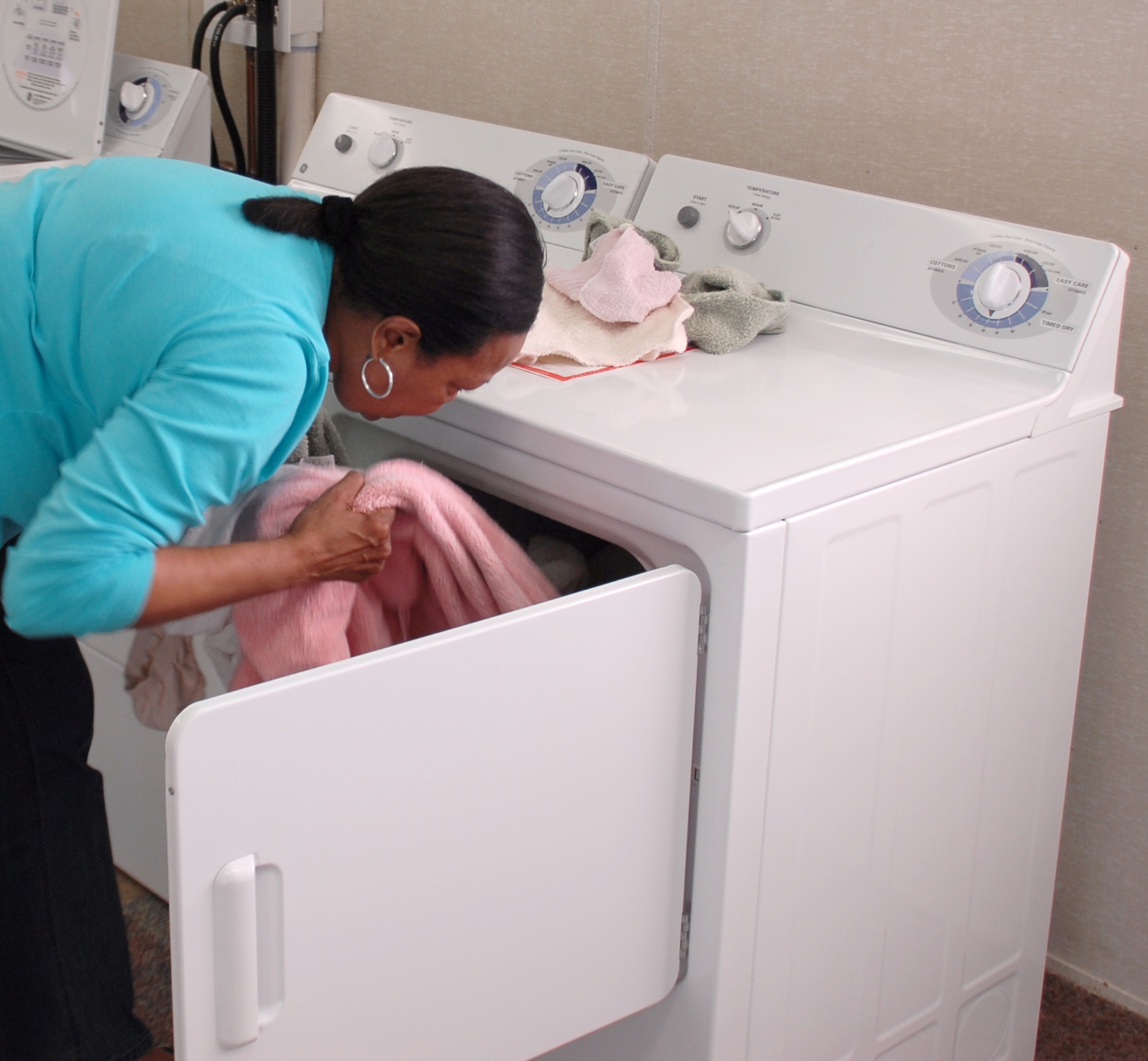 Remove all lint from traps, vents, and areas surrounding your dryer before and/or after each use.
- Avoid placing combustibles such as clothing, boxes, and other items near your dryer.
- Do not place items made of plastic, rubber, or foam in your dryer. These synthetic materials are more combustible than natural ones, igniting at lower temperatures and burning at much higher ones.
- The exhaust should vent directly outside the house. Washers and dryers are now being placed in non conventional areas of the house like closets and upstairs bedrooms, which require longer dryer vents to reach an outside wall. If lint must pass through an exhaust under a floor or through walls and exceeds six feet in length, it will be nearly impossible to remove all of the lint from your vent.
- If you have foil or plastic flexible dryer ducts, consider switching to metal. All manufacturers now advise consumers against plastic ducts, as flexible vents can sag, allowing lint to accumulate and catch fire if it comes into contact with enough heat.
- If your clothes are still damp after a cycle, or feel hotter than normal coming out of the dryer, it’s likely a clogged dryer vent exhaust is causing the problem. It’s important to identify and clear the obstruction as soon as possible.
- The USFA recommends that you disconnect, clean, and inspect the dryer duct and venting every couple of years, or hire a professional to clean your dryer’s components. If you have a gas-powered dryer, it should be inspected by a professional annually to make sure the gas line and connection are intact.
- Inspect your lint filter for rips before each use. If you find any rips, you should replace the filter immediately.
- Never let your dryer run while you are asleep or outside of the house.
With proper maintenance and safety information, dryer fires can be prevented. To learn more about dryer fires and additional home safety tips, please subscribe to our blog or contact us.
Photo courtesy of FEMA/Marvin Nauman